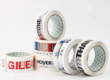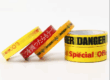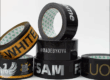


Here’s a detailed and practical guide on:
How to Store and Handle Printed Tape for Maximum Durability
Printed tape is a valuable branding and packaging tool, and ensuring its longevity is crucial for maintaining print quality and adhesive strength. Whether you use it for product packaging, promotions, or logistics, proper storage and handling of printed tape can significantly extend its shelf life and effectiveness.
1. Store in a Cool, Dry Environment
- Ideal temperature: Store printed tape between 15°C to 25°C (59°F to 77°F).
- Avoid heat & humidity: Excessive heat can melt the adhesive or cause it to lose stickiness. Moisture can compromise both the adhesive and printed surface.
- Avoid direct sunlight: UV rays can cause fading of the printed design and weaken the adhesive over time.
2. Keep Rolls Upright and Clean
- Store rolls vertically on their flat edge rather than stacked horizontally. This prevents deformation and uneven pressure.
- Ensure the area is dust-free and clean. Dust and dirt can affect adhesion and contaminate the surface.
3. Use Within Recommended Shelf Life
- Most printed tapes have a shelf life of 12 to 24 months if stored properly.
- Check the manufacturer’s guidelines and use older stock first (FIFO: First In, First Out) to avoid wastage.
4. Avoid Freezing Temperatures
- Cold conditions can make the adhesive brittle or reduce tackiness.
- If tape is exposed to cold, let it return to room temperature before use to restore its adhesive properties.
5. Handle with Care During Application
- Do not overstretch the tape while applying. This can weaken adhesion and cause curling or peeling.
- Use a clean surface: Ensure surfaces are dry and clean before application for optimal stick.
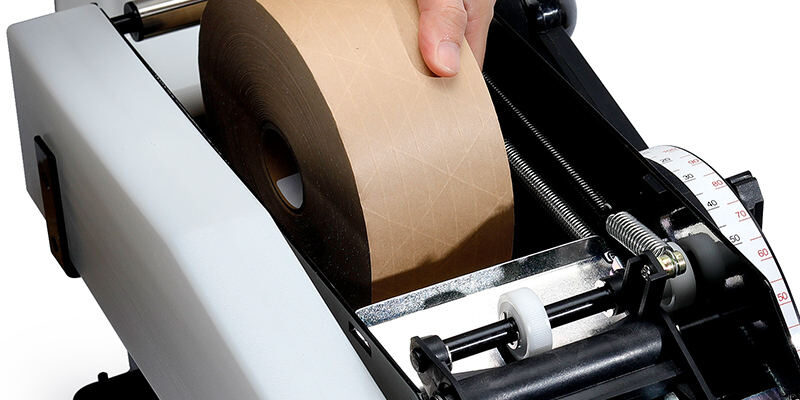
- Use a tape dispenser or applicator for even pressure and clean cuts.
6. Protect Against Physical Damage
- Do not crush or compress rolls. Physical pressure can distort the tape shape or damage the print.
- Avoid sharp objects near stored tape that may scratch or tear the roll.
7. Seal Unused Rolls Properly
- Once opened, re-seal the roll in its original packaging or wrap it in plastic to protect it from dust and air exposure.
- Store partially used rolls in airtight containers for best results.
Bonus Tip: Label Your Stock
Label printed tape rolls with date of manufacture or receipt to easily track usage and shelf life. This is especially helpful when managing bulk orders or multiple printed versions.
Final Thoughts
Proper storage and handling of printed tape ensure it performs at its best when you need it. A few simple practices—like avoiding extreme temperatures, sealing unused rolls, and using clean surfaces—can go a long way in preserving both the adhesive strength and the visual appeal of your printed designs.
Let me know if you’d like this turned into a downloadable tip sheet or formatted as a blog post with SEO elements (title, meta description, etc.).